

Dhaka, August 3: Nearly a year after Nobel Laureate Muhammad Yunus took charge of Bangladesh’s interim government, at least four prominent journalists remain behind bars on what appear to be politically motivated murder charges. Among them is Farzana Rupa, a former chief correspondent at Ekattor TV, who now faces nine separate murder cases. Her husband, Shakil Ahmed, the network’s former head of news, is named in eight.
Rupa, who was already in jail, stood in a Dhaka courtroom on March 5 this year without legal representation as another murder case was registered against her. “I’m a journalist. One murder case is enough to frame me,” she told the judge quietly while requesting bail. The judge declined, calling the hearing “procedural.”
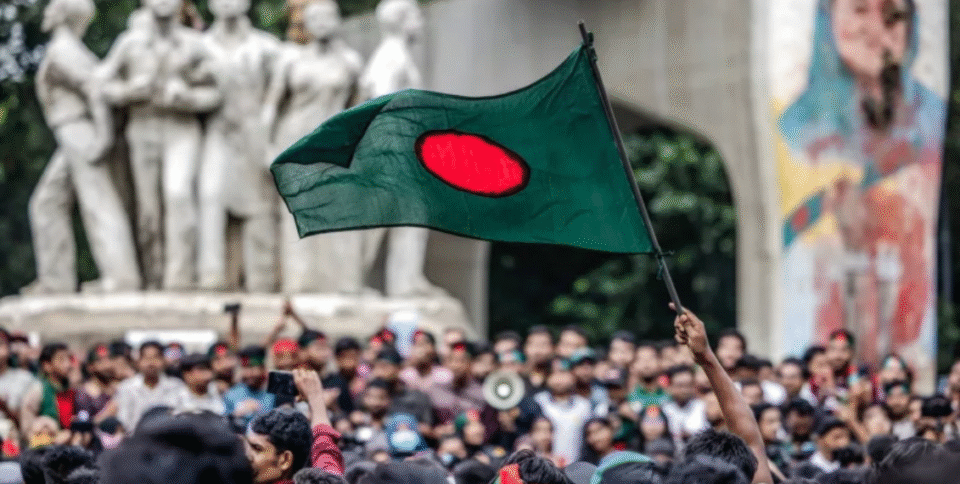
The cases began surfacing after the collapse of Sheikh Hasina’s government in 2024, when massive student-led protests swept the country. The unrest led to Hasina’s resignation and exile, and the deaths of two journalists during the demonstrations. Yunus, brought in to lead the interim administration, initially repealed the Cyber Security Act and promised press freedom reforms. But in November, Yunus admitted in an interview that the filing of murder charges against journalists had been “hasty” and said a government committee would review such cases.
Despite that assurance, Rupa, Ahmed, and two other senior journalists — Shyamal Dutta and Mozammel Haque Babu — remain imprisoned. Each faces multiple murder charges linked to last year’s protests. Their families say they have not even received FIRs (First Information Reports) for several of the cases, which prevents them from applying for bail.
According to a review by the Committee to Protect Journalists (CPJ), the charges appear to be a continuation of tactics used under the previous regime to silence critical voices. At least 25 journalists are currently under investigation for genocide by Bangladesh’s International Crimes Tribunal — a charge that has typically been used against former regime affiliates.
CPJ’s Regional Director Beh Lih Yi said the interim government’s credibility is in question. “Keeping four journalists behind bars without credible evidence a year on undermines the interim government’s stated commitment to protect press freedom,” she said. “Real reform means breaking from the past, not replicating its abuses.”
Apart from legal threats, journalists in Bangladesh have also faced rising violence and intimidation in 2025. CPJ has documented at least 10 cases of physical attacks, primarily involving members of the Bangladesh Nationalist Party (BNP) and its student wing, Chhatra Dal. Reporters were injured, had phones confiscated, and footage deleted. Victims include journalists like Bahar Raihan, Abdullah Al Mahmud, and Rocky Hossain.
BNP adviser Mahdi Amin told CPJ that while isolated misconduct could occur in any large organization, the party does not shield wrongdoers. However, threats to journalists are also coming from student groups who led the protests against Hasina. Some have falsely accused reporters of supporting the old regime, resulting in job losses and exile.
EyeNews editor Hasanat Kamal said he fled to the UK after being falsely implicated by Islami Chhatra Shibir, the student wing of Jamaat-e-Islami. Another journalist, Anwar Hossain of Dabanol, reported being threatened after exposing a local Jamaat leader. Jamaat and its student wing have not responded to requests for comment.
Meanwhile, the Anti-Discrimination Students Movement (ADSM), one of the groups that led last year’s protests, has been accused of targeting and intimidating journalists. Five reporters were fired after online campaigns against them. Prominent dailies like Prothom Alo and The Daily Star have also faced mob pressure and siege by student activists.
Exiled investigative reporter Zulkarnain Saer Khan, known for exposing high-level corruption under the previous administration, summed up the climate in a recent post on X: “The more things change, the more they stay the same.”
Despite promises of a fresh start, Bangladesh’s transitional government appears to be walking a familiar path — where journalism remains a high-risk profession and political vendettas continue to dictate who gets to tell the story.